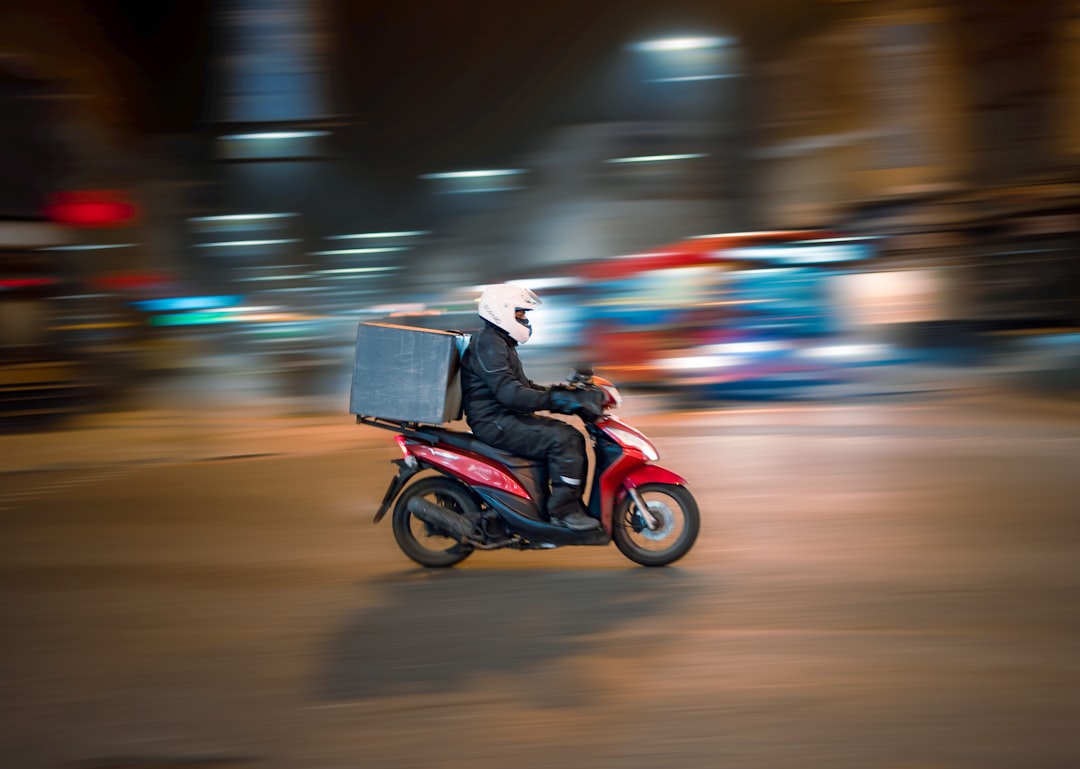
When a pizza delivery is wrong, incomplete, late, or cold, the fastest path to a fair resolution is a calm, documented check of the order, the food, and the correct customer-service channel. This reusable checklist explains what to do before requesting a refund, credit, replacement, or other remedy.
Overview
A delivery problem can involve several different issues: the wrong pizza, a missing side or drink, an unapproved substitution, an order that never arrives, or food that is no longer in acceptable condition. Each situation calls for slightly different evidence and wording.
Start with the order record rather than relying on memory. Open the confirmation email, restaurant receipt, or delivery-app order page and compare it with what arrived. Check the restaurant name, order number, items, customizations, quantity, delivery address, promised or estimated timing, and total paid. A quick comparison often separates a restaurant preparation error from a checkout mistake or an issue caused during delivery.
Policies vary between restaurants and ordering platforms, so this guide does not promise a particular refund amount or response time. Instead, it gives you a practical sequence: verify, document, contact the right party, describe the remedy you want, and escalate only when reasonable direct support has not resolved the problem.
If you are comparing delivery with pickup for a future order, see Pizza Delivery vs. Pickup: How to Compare Total Cost, Time, and Convenience.
Checklist by scenario
| Problem | First checks | Best next step |
|---|---|---|
| Wrong pizza or topping | Compare the item and customization details with the receipt. | Contact the restaurant or ordering platform and request a replacement, correction, refund, or credit. |
| Missing item | Check every bag, box, and packaging compartment, including items packed separately. | Report the specific missing item and keep the rest of the order available for reference. |
| Unapproved substitution | Review messages, notes, and any substitution option selected during checkout. | Explain what was ordered, what changed, and whether the replacement works for you. |
| Cold or poor-condition food | Note the delivery time and inspect the food without eating anything that seems unsafe. | Contact support promptly, describe the condition, and provide photos if useful. |
| Order is late or missing | Check the live status, delivery address, call history, and any arrival notification. | Use the active order-support channel before placing a duplicate order. |
1. Wrong pizza, toppings, size, or crust
Compare the delivered pizza with the order confirmation line by line. Look for differences in size, style, crust, sauce, cheese, toppings, half-and-half instructions, and special requests. Take a clear photograph showing the pizza and, if possible, the box label or receipt. Do not discard the item until support tells you what to do, unless there is a food-safety reason not to keep it.
When contacting customer service, use a precise description: “I ordered a large thin-crust pizza with mushrooms on one half; the delivered pizza has a different crust and no mushrooms.” State whether you prefer a replacement or a refund, while recognizing that the available remedy depends on the restaurant or platform.
2. Missing side, drink, sauce, or second pizza
Check the receipt first, then check all packaging. Some orders arrive in multiple bags, and small items may be attached to a receipt or placed beneath a box. If an item is genuinely missing, report only the missing item and include the order number. This helps support avoid treating the entire order as incorrect.
If the missing item is essential to a dietary requirement or meal plan, say so clearly. For guidance on asking about dietary preparation before ordering, read Ordering Gluten-Free and Vegan Pizza: A Restaurant Question Checklist.
3. Cold, damaged, or spilled pizza
Record when the order arrived and photograph visible problems such as a crushed box, spilled toppings, or a container that opened during transit. If the food is merely cooler than expected, describe that accurately rather than making a broader safety claim. If food appears spoiled, contaminated, or otherwise unsafe, do not eat it; keep relevant packaging if it can be handled safely and contact the restaurant or platform promptly.
Temperature can be affected by distance, traffic, weather, packaging, and delivery timing, so focus on observable facts: when it was marked picked up, when it arrived, whether the seal was intact, and what condition the food was in. Ask what resolution is available rather than assuming a particular policy applies.
4. Late or missing delivery
Before requesting a refund, confirm the address, apartment or unit details, delivery instructions, and any delivery photo or message. Check whether the status says delivered even though you have not received the order. Look around the entrance and contact household members or building staff if relevant, but do not delay reporting a clearly missing order.
Use the support option attached to the active order when one exists. If you ordered directly from the pizzeria, call the restaurant using the contact details on the confirmation. If you used a marketplace or delivery app, the platform may need to investigate the delivery record. Avoid placing a second order until you know whether the first can still arrive.
What to double-check before requesting a refund
- Order channel: Identify whether the order was placed directly with the restaurant, through its website, or through a third-party platform. Start with the party that took the order and payment, unless the instructions direct you elsewhere.
- Order details: Confirm the item, size, crust, toppings, quantities, customizations, and special instructions. A mistaken selection can look like a restaurant error after delivery.
- Payment and fees: Save the receipt showing the subtotal, delivery charge, taxes, tip, discounts, and final total. A coupon or deal may have separate eligibility conditions; for future orders, use the checklist in How to Use Pizza Coupons and Specials.
- Evidence: Keep photos of the food, packaging, labels, and receipt. Include timestamps or screenshots when delivery status is relevant. Do not photograph people without considering their privacy.
- Requested remedy: Decide whether a replacement, missing-item delivery, partial refund, full refund, or account credit best fits the problem. Explain your preference without overstating what happened.
- Contact history: Note the time, channel, representative or case number if provided, and the response. Keep messages short and factual.
For customization disputes, compare the confirmation with the final pizza rather than relying on a menu photo. Half-and-half orders, topping limitations, and extra-charge options can vary by pizzeria; the confirmation is the most useful record of what was selected.
Common mistakes
Contacting the wrong party first: A restaurant may not be able to edit a platform-controlled refund, while a platform may need restaurant confirmation for a direct-order issue. Begin with the order receipt and its support instructions.
Throwing away evidence immediately: Keep the box, label, and incorrect item until the complaint is reviewed, except when keeping the food creates a safety concern.
Submitting multiple conflicting reports: Repeatedly opening new tickets can make the timeline harder to follow. Use the original case or reference number when possible.
Requesting a full refund for a partial problem without explaining why: If one drink is missing but the pizzas are correct, identify the missing item. If the whole order is unusable, explain the specific condition that makes it so.
Arguing about assumptions: Avoid claiming that a driver mishandled the food unless you know that happened. Describe what you observed and let the restaurant or platform review its records.
Starting a payment dispute too early: A card or payment-provider dispute can be a separate process with its own requirements. First make a reasonable attempt through the restaurant or ordering platform, save the correspondence, and review the applicable payment-provider guidance before escalating.
When to revisit
Save this checklist for the next time you order from a new local pizzeria, use a different delivery platform, place a large group order, or order during a busy period. Recheck the process whenever the restaurant changes ordering systems, the platform redesigns its support flow, or the receipt no longer shows the same contact options.
For a current problem, take action in this order:
- Open the confirmation and verify exactly what was ordered.
- Inspect the delivery and photograph relevant evidence.
- Keep unsafe food uneaten and handle packaging carefully.
- Contact the restaurant or platform connected to the order.
- State the issue, order number, timing, and preferred reasonable remedy.
- Save the response and case details before closing the conversation.
- Escalate through the available support or payment channel only if the initial process does not resolve the issue.
Policies and support tools can change, so this guidance is worth reviewing before seasonal ordering periods and whenever your usual ordering app or local pizzeria changes its workflow. The same verification habit also helps prevent future problems: review the final cart, confirm the delivery address, and save the order receipt before placing the order.